Explore the Art of Massage: Premier Types and Their Unique Benefits at a Spa Near You
Massage therapy provides an array of techniques, each with unique benefits tailored to individual needs. From the relaxing strokes of Swedish massage to the concentrated pressure of deep tissue therapy, there is a style for everyone. Hot stone treatments offer comforting heat, while aromatherapy incorporates relaxing scents. Thai massage provides revitalizing stretches. Learning about these options can guide personal choices for holistic wellness and stress relief, prompting further exploration into what might suit one best.
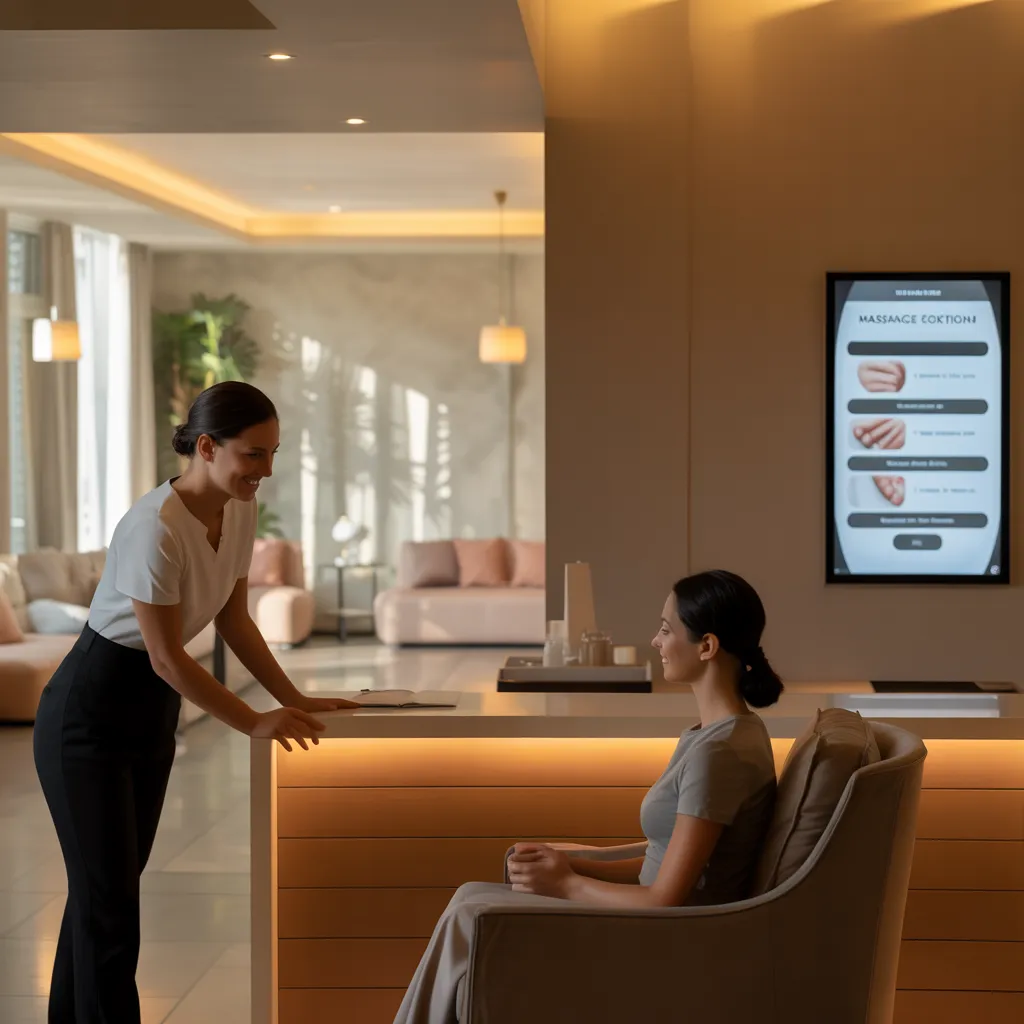
Swedish Massage: The Secret to Total Relaxation
Although several massage methods exist, Swedish massage distinguishes itself as a superior choice for those seeking complete relaxation. This approach combines extended, gliding strokes with kneading, friction, and gentle tapping, promoting a sense of calmness and well-being. The rhythmic movements aid in enhance blood circulation and boost flexibility, making it an associated article ideal option for those looking to alleviate stress and tension.
Practitioners use a range of oils or lotions to enable smoother strokes, allowing for a comforting experience. The gentle pressure applied can be adapted to match individual preferences, ensuring that each session is personalized. Swedish massage not only settles the mind but also works to alleviate physical discomfort, making it a comprehensive approach to wellness. By addressing both body and mind, this massage technique creates a calm environment ideal for relaxation, ultimately supporting better overall health and a refreshed sense of energy.
Deep Tissue Bodywork: Addressing Muscle Tension
Deep tissue massage serves as a powerful counterpart to Swedish massage, specifically designed to address chronic muscle tension and pain. This practice uses steady pressure and controlled strokes, penetrating deeper layers of muscle and connective tissue. By targeting specific zones of discomfort, professionals strive to relieve tightness and facilitate healing.
Often used to address conditions such as sports injuries, postural imbalances, and repetitive strain, deep tissue massage can increase flexibility and range of motion. The therapist frequently uses their fingers, elbows, and forearms to apply concentrated pressure, which may result in temporary discomfort but results in substantial relief.
Clients commonly describe feeling more at ease and lighter after their session, as the release of tension enhances overall well-being. Regular deep tissue massages can promote improved circulation, reduce stress, and aid in recovery, making it a worthwhile part of any wellness routine.
Heated Stone Massage: Combining Heat and Pressure
Hot stone massage integrates the therapeutic properties of heat with traditional massage practices to create a profoundly relaxing experience. During this treatment, smooth, heated stones are strategically placed on specific points of the body, often along the spine, palms, and feet. The warmth of the stones works to relax tense muscles, allowing the therapist to apply more intense pressure without discomfort. This combination of heat and skilled manipulation improves blood circulation and encourages overall relaxation.
In addition, hot stone massage can ease stress and anxiety, creating a peaceful atmosphere for individuals desiring respite from daily pressures. The warmth from the stones goes deeply, stimulating the release of toxins from the muscles and improving flexibility. In general, this massage type serves as an effective way to restore both physical and mental well-being, making it a popular choice for spa-goers looking to unwind and restore balance in their lives.

Aromatherapy Massage: Enhancing Well-Being With Scents
Aromatherapy massage merges the relaxing qualities of classic massage techniques with the healing properties of essential oils, resulting in a holistic experience that nourishes both mind and body. This type of massage incorporates the application of various essential oils, each selected for their specific properties and effects. Lavender, for example, is frequently used for its relaxing effects, while eucalyptus can assist in relieving respiratory problems.
During the session, the therapist tailors the oil blend based on the client's needs, promoting relaxation, decreasing stress, and fostering emotional balance. The process does more than alleviates muscle tension but also activates the olfactory senses, producing a holistic experience that can elevate mood and foster a sense of well-being.
Patients often describe improved sleep quality and lowered anxiety subsequent to an aromatherapy massage, making it a favored selection for those seeking a comprehensive approach to wellness. This treatment exemplifies the art of balancing bodily and emotional health through scent.
Thai Massage: Energy Flow and Stretching
Thai massage blends rhythmic compression, acupressure, and assisted stretching techniques to stimulate energy flow and boost flexibility. Therapists utilize their feet, hands, and elbows to apply pressure along the body's energy lines, referred to as "Sen." This exceptional approach not only alleviates tension but also rejuvenates the body's natural energy pathways.
During a session, clients remain fully clothed and are guided through a series of gentle stretches, which help improving overall mobility. The combination of these techniques fosters a deep sense of relaxation, reducing stress and promoting mental clarity.
Thai massage is frequently characterized as a form of moving meditation, encouraging both physical and emotional balance. It is especially helpful for those looking to enhance athletic performance or rehabilitate from injuries, as it boosts circulation and expands range of motion. Overall, this ancient practice presents a complete approach to well-being and revitalization.
Questions & Answers
What Clothing Should I Wear During a Massage?
In a massage treatment, clients should wear relaxed, loose-fitting clothing or may choose a robe offered by the spa. Undergarments can be worn or taken off, depending on personal comfort and the therapist's guidance.
How Should I Determine Which Massage Type Is Right for Me?
To pick the right massage type, one should consider individual preferences, specific body concerns, and intended goals. Speaking with a professional can deliver customized advice based on specific needs and health conditions.
Can Certain Health Conditions Prevent Massage Therapy?
Particular health conditions, including severe skin infections, fractures, or blood clots, may contraindicate massage therapy. Persons with chronic medical problems should consult a healthcare professional to determine whether massage is safe for their individual situation.
What Is the Typical Length of Massage Sessions?
Regular massage sessions span between 30 to 90 minutes, according to client requirements and particular treatments. Generally, one-hour sessions give a optimal experience, ensuring adequate time for unwinding and targeted therapy without feeling rushed.
What Are the Recommended Steps Before and After My Massage?
Prior to a massage, one should drink water and skip heavy meals. Following the session, resting and drinking water is recommended to support recovery. Light stretching can additionally improve relaxation and extend the advantages of the massage.